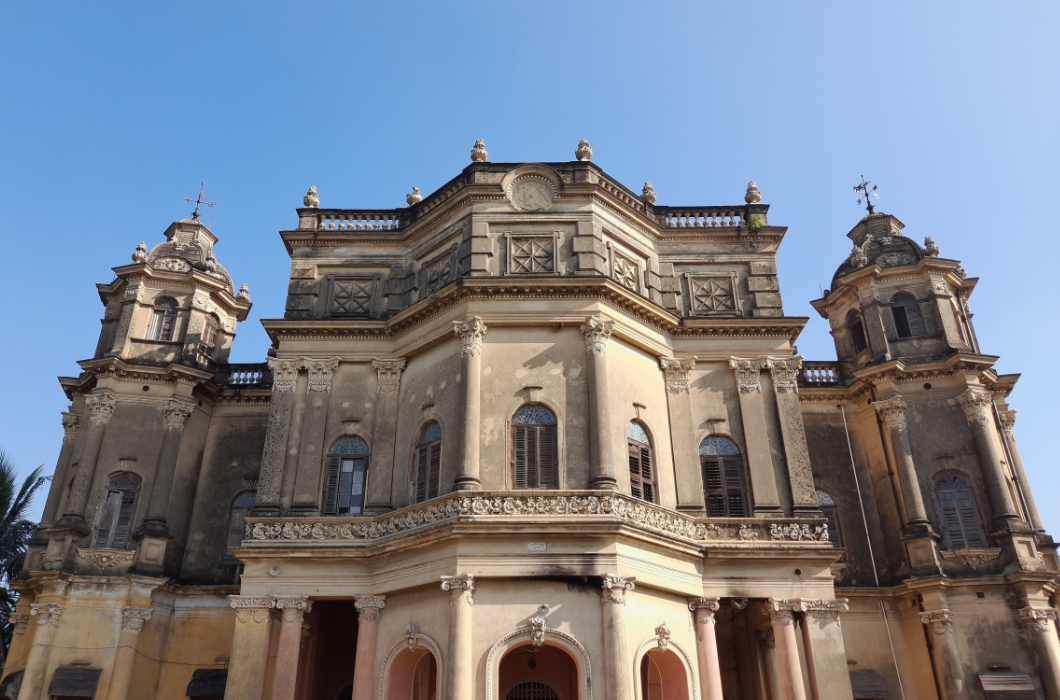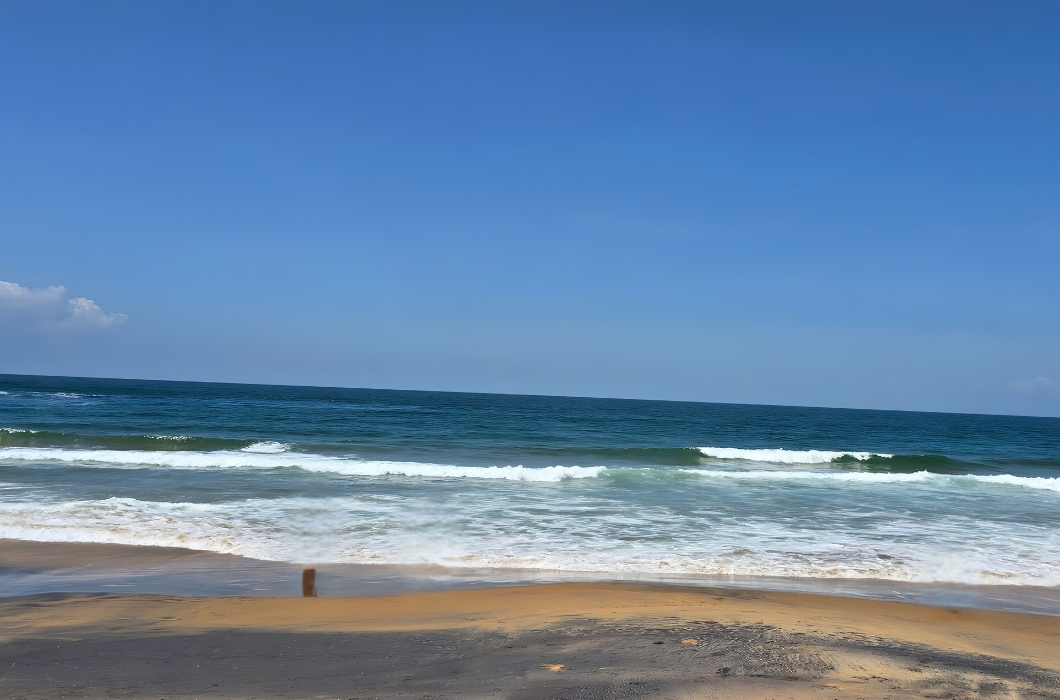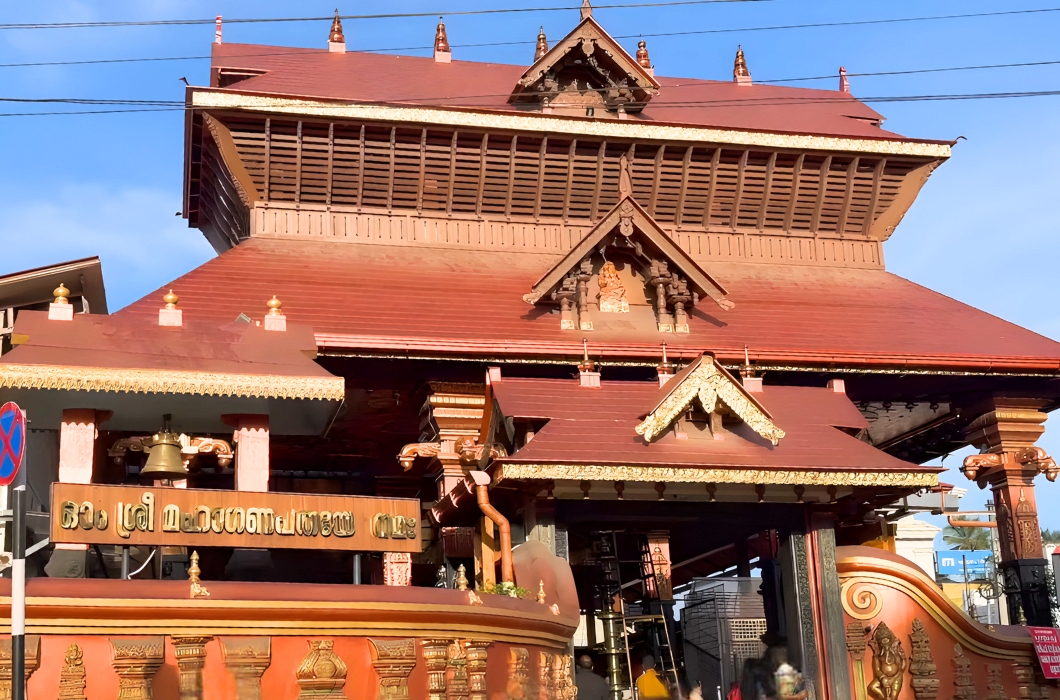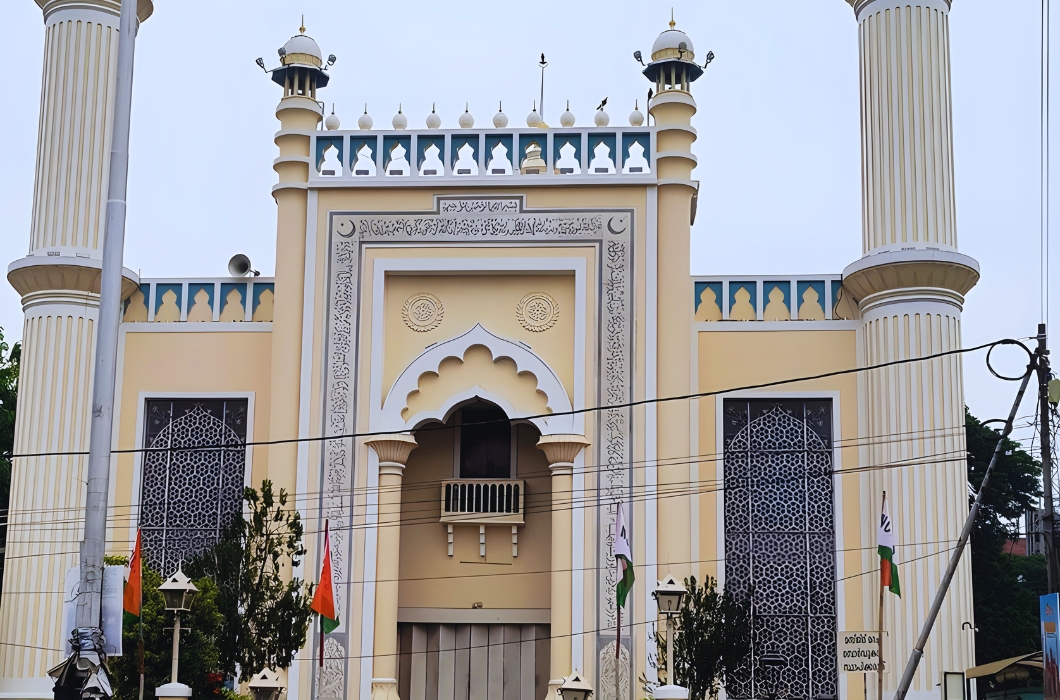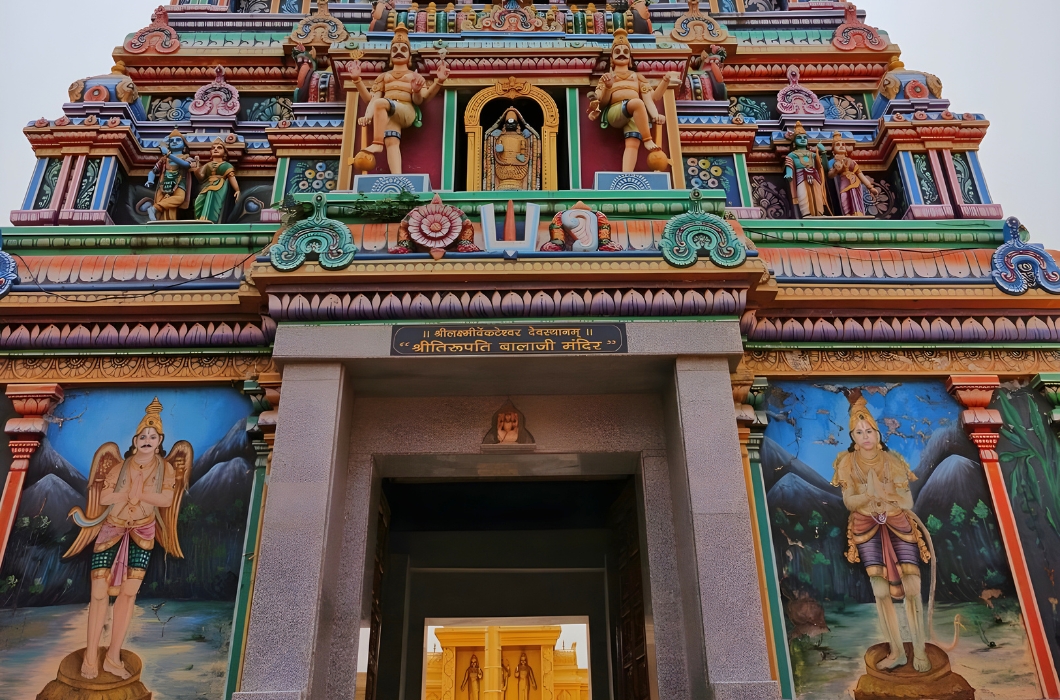


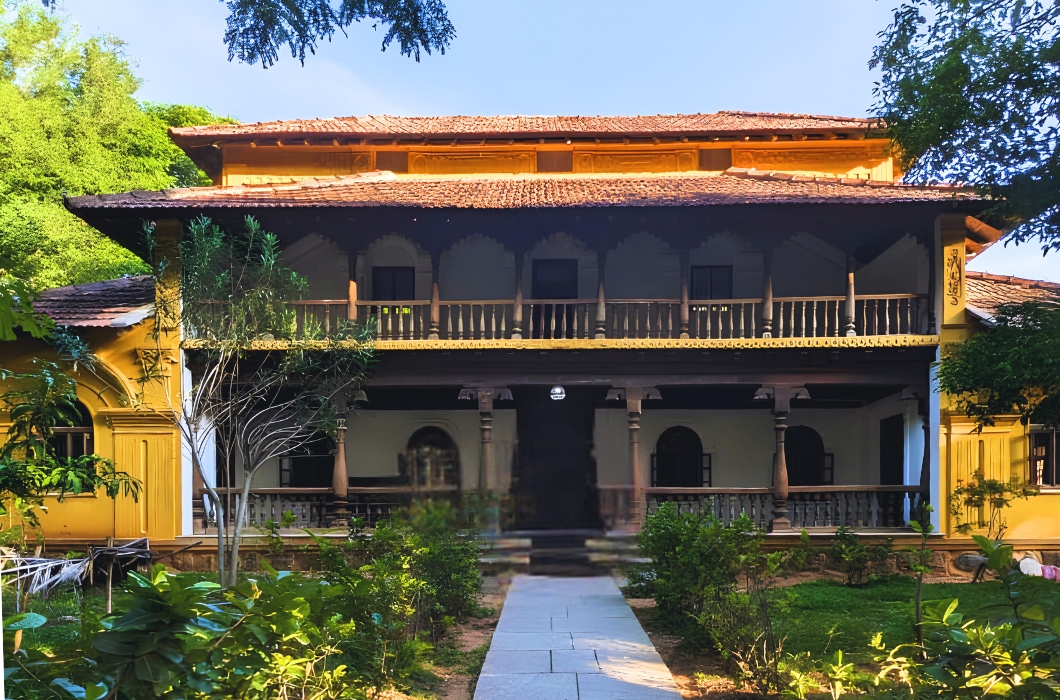
Dakshina Chitra Heritage is a fascinating, multi-cultural living museum showcasing South Indian art, architecture, crafts, and performing arts. The primary goal is to present, maintain, and promote elements of the state’s larger, more inclusive cultures while introducing these arts to the general public in a way that is participatory, entertaining, and captivating. Public access to the DakshinaChitra Heritage Museum, an NGO initiative of the Madras Craft Foundation, began on December 14, 1996. The Museum is situated near Muttukadu, Tamil Nadu, India, 25 km south of Central Chennai, on the East Coast Road to Mamallapuram, with a view of the Bay of Bengal. There are eighteen genuine historical homes in Dakshina Chitra, each featuring a contextual exposition. The owners of every home that was purchased and rebuilt at DakshinaChitra had consented to its demolition. Craftspeople from the areas where the houses originated, known as Stapathis, buy, demolish, transport, and rebuild genuine dwellings in a traditional regional style.
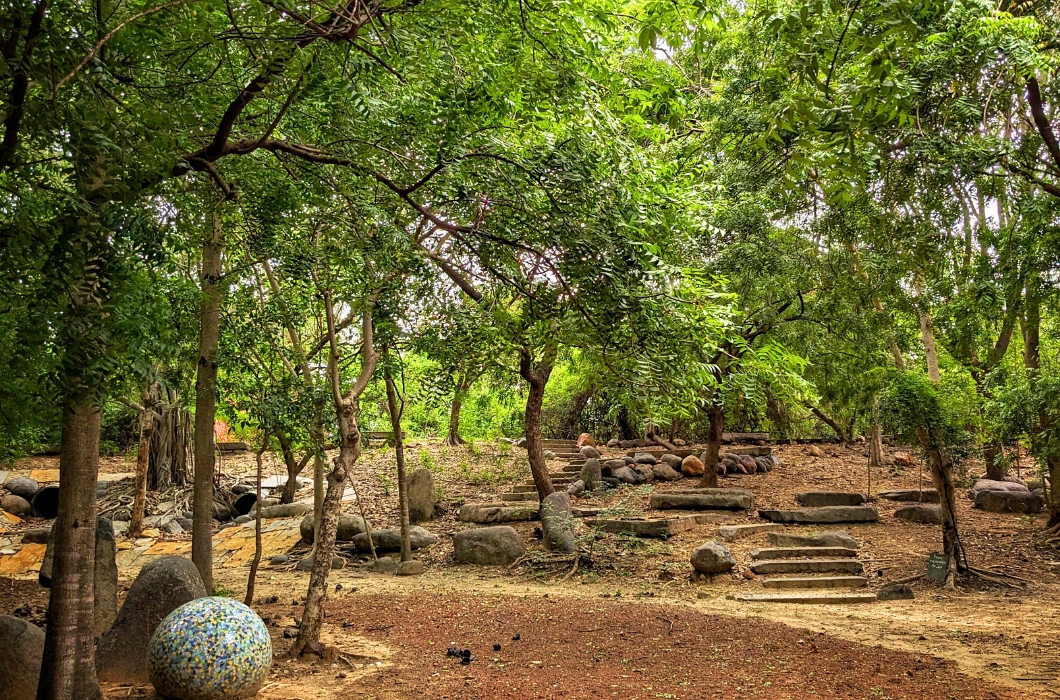
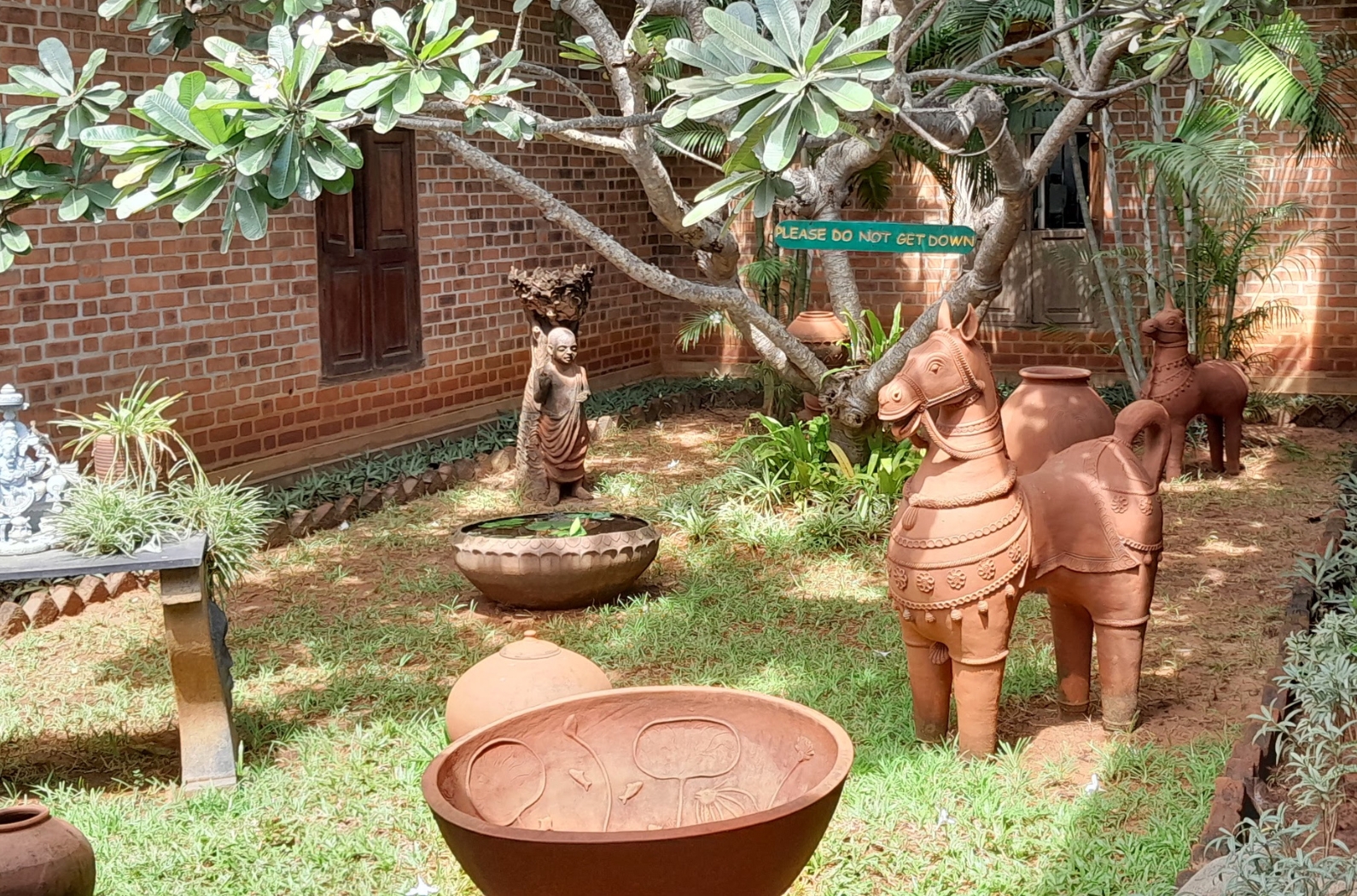 Every residence narrates a different aspect of the local communities, such as the opulence of Chettinad mansions or the modesty of rural dwellings. The museum is filled with colorful exhibits of art and craft, ranging from exquisite ceramics and woodworking to exquisite fabrics and implements that capture the essence of South Indian daily life. Additionally, visitors can observe live demonstrations by craftspeople engaging in traditional crafts, including weaving, ceramics, and basketry, which provide insight into the methods used to create these works of art. The vibrant ambiance is enhanced by cultural acts that honor the region’s artistic richness, such as puppetry, folk music, and traditional dances. Regular exhibitions of South Indian art, photography, and cultural history are also held at the museum, offering a fuller understanding of the country’s rich background. The museum’s picturesque outdoor location, encircled by gardens and ancient courtyards, provides a tranquil backdrop for exploring. In order to make the experience more participatory and memorable, visitors can also participate in workshops to learn crafts like pottery or kolam drawing. Books and other resources on South Indian culture are available in the museum’s resource center for people who want to learn more, and visitors can buy handcrafted goods straight from makers at the handicrafts fair. Traditional cuisine, customs, and themed events are used to celebrate festivals like Pongal and Onam, providing a genuine cultural experience.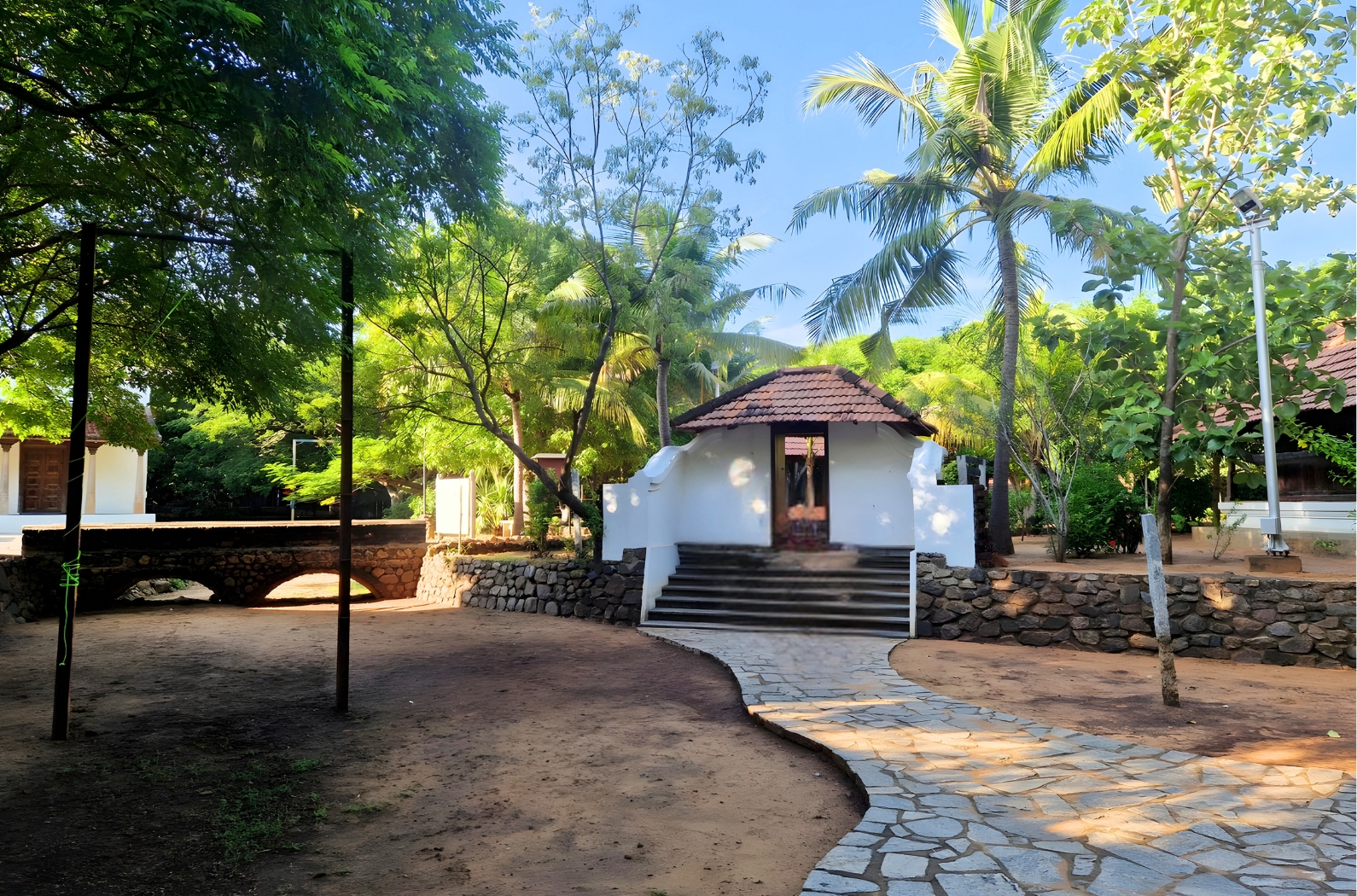
Share On Social:
Facebook
Twitter
Pinterest
WhatsApp