

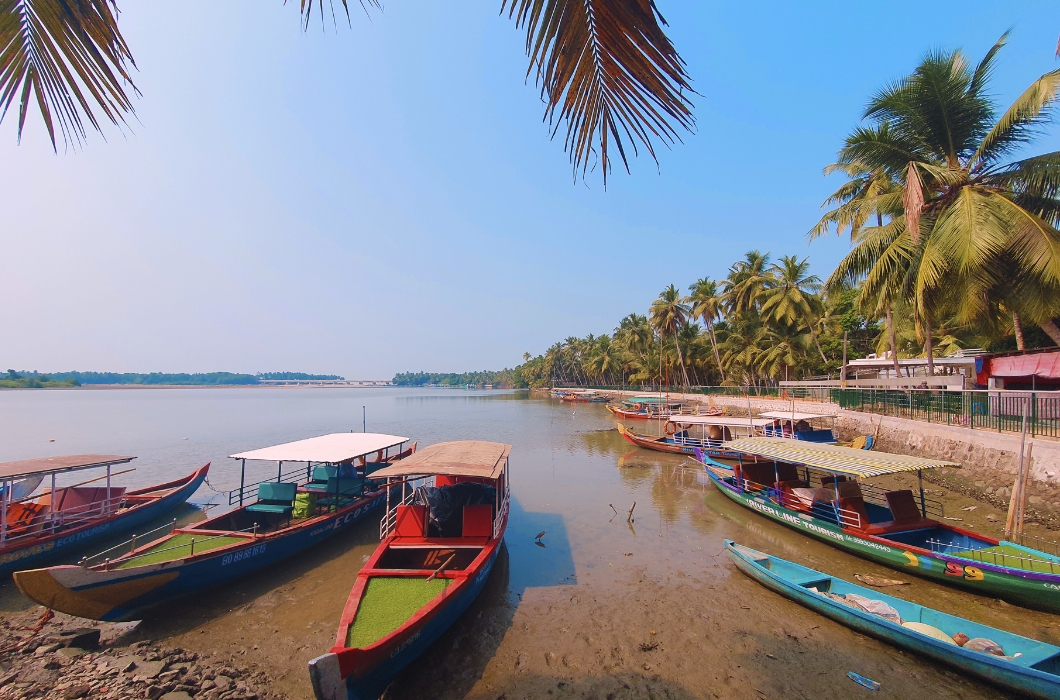
In Kozhikode district, the Kadalundi bird sanctuary is situated on a group of islands in a picturesque region encircled by hillocks, where the Kadalundi River empties into the Arabian Sea. Throughout the year, more than 60 different species of migratory birds visit our territory. Indeed, this sanctuary was created especially for those who enjoy birds. Flocks of Terns, Gulls, Herons, Sandpipers, Whimbrels, Brahminy Kites, and Cormorants can be seen from November to April. This wetland area is also home to a diverse range of fish, mussels, and crabs, as well as snakes like the Viper, Krait, and Cobra. The sanctuary is surrounded by hillocks that offer a stunning view of the sea and estuary. With its alluring, untamed splendor, Kadalundi is a well-liked location for hikers, wildlife photographers, and picnickers.
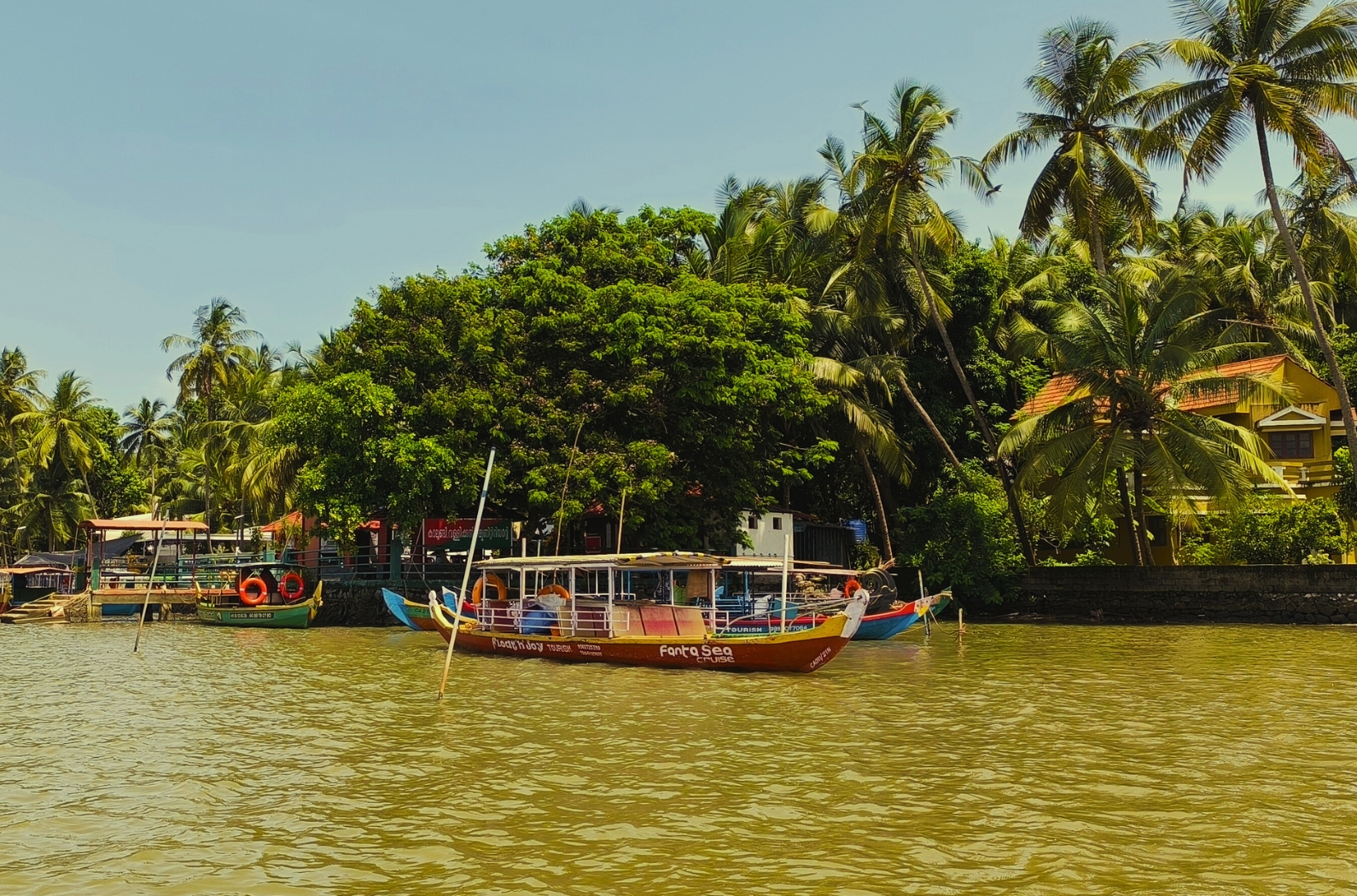 The Kadalundi Bird Sanctuary provides guests with a variety of attractions. The profusion of migrating birds, which come from as far away as Siberia and Europe, is one of the main attractions, particularly in the winter. For birdwatchers, this makes the refuge a haven where they can see brahminy kites, sandpipers, herons, and seagulls, among other birds. In addition, the sanctuary is well-known for its thick mangrove forests, which offer a stunning and distinctive habitat for study. Crabs and mussels are among the many marine creatures that can be found in these woodlands and the estuary habitat where the Kadalundi River meets the Arabian Sea. To get a better look at the mangroves and birds in their natural habitat, visitors can enjoy boat excursions through the serene backwaters. The beauty of the surrounding area, which includes picturesque views of the Arabian Sea and the estuary, enhances the sanctuary’s appeal. A tranquil haven in nature, the sanctuary’s collection of little islands adds to its charm and can be visited by boat.
 Kadalundi Bird Sanctuary’s interior depicts a calm, natural setting with little islands and verdant mangrove woods all around. The Arabian Sea meets the
Share On Social:
Facebook
Twitter
Pinterest
WhatsApp